

The Cannabis Recall Nobody Thinks Will Happen to Them
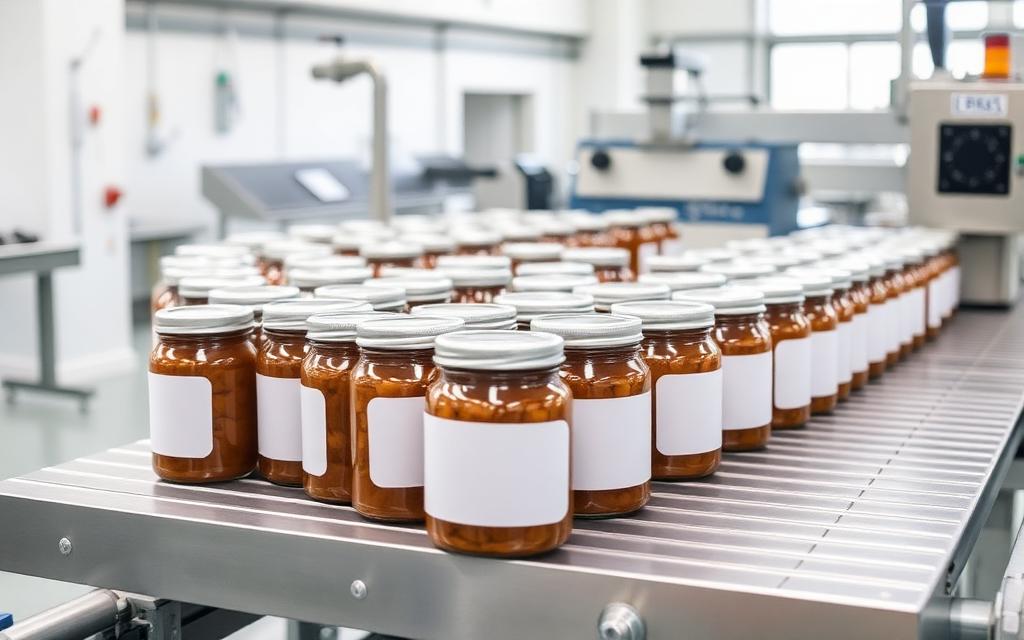
Every operator believes recalls happen to someone else, until they're managing one.
For most cannabis operators, product recalls feel like somebody else's problem.
They happen to companies with poor quality systems. To businesses with careless employees. To operators who cut corners.
At least, that's what most people believe.
The reality is more uncomfortable.
Many recalls occur at businesses that thought they had everything under control. Because recalls rarely begin with catastrophic failure—they begin with something small that nobody saw coming.
A mislabeled package. A failed test result. An ingredient issue. A supplier mistake. A documentation gap. A process deviation.
And suddenly, a minor issue becomes a major business event.
The Dangerous Myth: "It Won't Happen Here"
One of the most common things heard after a recall is: "We never thought this would happen to us."
That's because most operators associate recalls with negligence. But recalls more often result from human error, supplier failures, labeling mistakes, testing discrepancies, process deviations, and communication breakdowns.
None of these require bad intentions. They require only one thing: a vulnerability in the system.
What Can Trigger a Cannabis Recall?
Many operators assume recalls are contamination events. Contamination is common, but it's far from the only trigger.
Failed Laboratory Testing — pesticides, heavy metals, microbials, residual solvents
Labeling Errors — incorrect potency, missing warnings, packaging mix-ups
Product Contamination — foreign material, mold, bacteria, cross-contamination
Supplier Issues — contaminated raw materials, misrepresented ingredients, quality failures
Process Failures — incorrect formulations, production deviations, equipment malfunctions
Regulatory Findings — traceability failures, inventory discrepancies, documentation deficiencies
Any one of these can trigger a recall event.
The Real Cost Is Rarely What Operators Expect
Most operators focus on the cost of recovering product. That's usually only the beginning.
A recall can mean lost inventory requiring quarantine, destruction, or rework. Immediate revenue loss as products stop generating income. Hundreds of labor hours spent on investigation, tracking, notifications, and documentation. Heightened regulatory scrutiny. Damaged customer trust. And insurance complications that hinge on whether documentation, policies, and operational controls were in place before the event.
The total financial impact routinely exceeds the value of the product itself.
The Product Is Usually the Symptom
One of the biggest misconceptions about recalls is that the recalled product is the problem.
It rarely is.
The product is the symptom. The real issue is almost always a system failure. Which is why the hardest questions after a recall aren't about the product, they're about the operation:
Why wasn't this identified sooner? Why did the process fail? Why was the deviation missed? Why wasn't the supplier problem detected?
Could You Find Every Affected Product Today?
Imagine receiving a call at 9:00 AM. A testing issue has been flagged. Regulators want answers within hours.
Your team is asked: Which batches were affected? Where were they shipped? Which stores received them? Which customers purchased them? What ingredients were involved? Which employees handled the batch?
How quickly could you answer?
Minutes? Hours? Days?
That question alone often separates prepared operators from unprepared ones.
Traceability, Documentation, and CAPA Are Your Foundation
During a recall, traceability is one of the most valuable capabilities a business can possess. It determines how quickly you can answer what happened, where it happened, how far it spread, and who was affected. Without it, recalls become exponentially more expensive and disruptive.
Documentation is your defense. Batch records, test results, SOPs, equipment logs, training records, supplier files, shipping records, investigation reports, these demonstrate that your operation was in control. Without them, defending your actions becomes significantly harder.
And when the recall is over, CAPA determines what happens next. Regulators, insurers, and business partners all want to know what caused the problem, what corrective actions were taken, and how recurrence will be prevented. A strong Corrective and Preventive Action program signals accountability, root cause discipline, and operational maturity.
The Businesses That Recover Fastest
Successful recall responses share one common trait: preparation.
These businesses have documented recall plans, clearly defined crisis teams, fast-moving traceability systems, structured CAPA programs, trained employees who know their roles, and communication protocols ready to deploy.
Preparation doesn't eliminate the crisis. But it dramatically improves the outcome.
Federal Reform Will Raise the Bar
As cannabis moves toward greater federal oversight, recall expectations will likely become more sophisticated, documented procedures, effectiveness checks, supplier qualification, root cause investigations, CAPA verification, and audit readiness.
Operators building these systems now won't just be compliant. They'll be ahead.
The Best Recall Is the One You Never Have
Prevention is the most effective recall strategy. That means investing in Quality Management Systems, SOPs, training, CAPA, internal audits, supplier qualification, traceability, and risk assessments.
Strong systems reduce the likelihood of a recall occurring in the first place. And if one does occur, they determine how quickly and cleanly the business recovers.
Every Operator Should Ask One Question
If a recall started tomorrow morning, would we know exactly what to do?
If the answer is uncertain, there is work to do. And that work is far easier before a crisis than during one.
Recalls don't just test products. They test organizations.
About Red Wolf Risk
At Red Wolf Risk and through our recall readiness and response team at Clean Slate, we help cannabis operators build recall plans, traceability systems, CAPA programs, crisis response frameworks, and operational controls designed to reduce risk and strengthen resilience.
The best time to prepare for a recall is before you need to manage one
Alex Hearding is the Founder and President of Red Wolf Risk and has more than 17 years of experience in cannabis operations, risk management, quality systems, and regulatory compliance.
About the author
Written by Alex Hearding, founder of Red Wolf Risk. This piece is part of Chronic Risk, the insights publication of Red Wolf Risk.